




When Howard University junior Marcus Hunter decided to transfer from Arizona back to the East Coast, he wanted a campus where entrepreneurship and dealmaking were in the air, not just the syllabus.
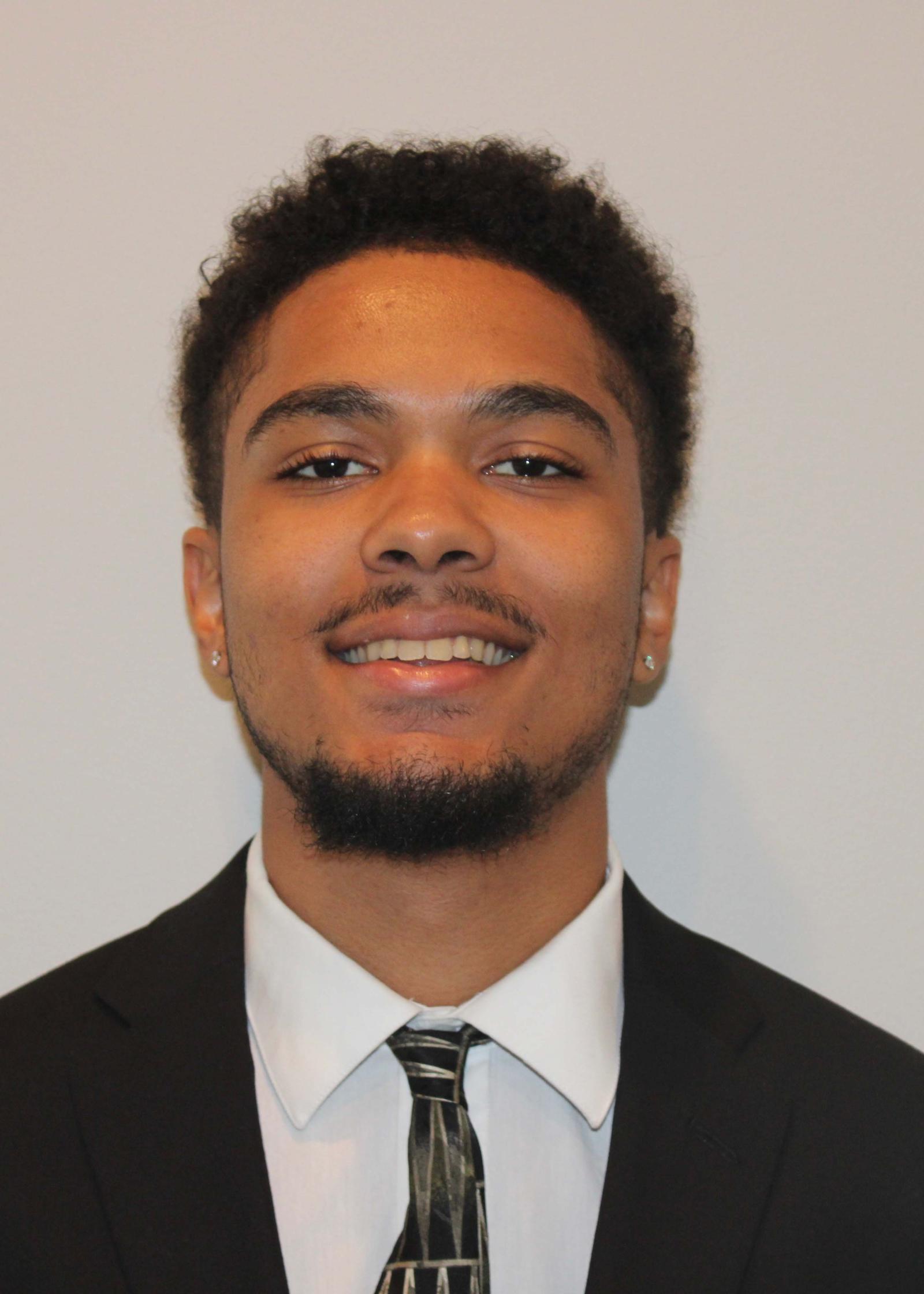
“At my old school, entrepreneurship stayed academic,” Hunter said. “Here, you’re in the conversations from the start.”
Howard ranks among the nation’s top “opportunity colleges,” recognized for providing broad educational access and positioning students for careers in high-earning fields such as real estate, investment, and tech.
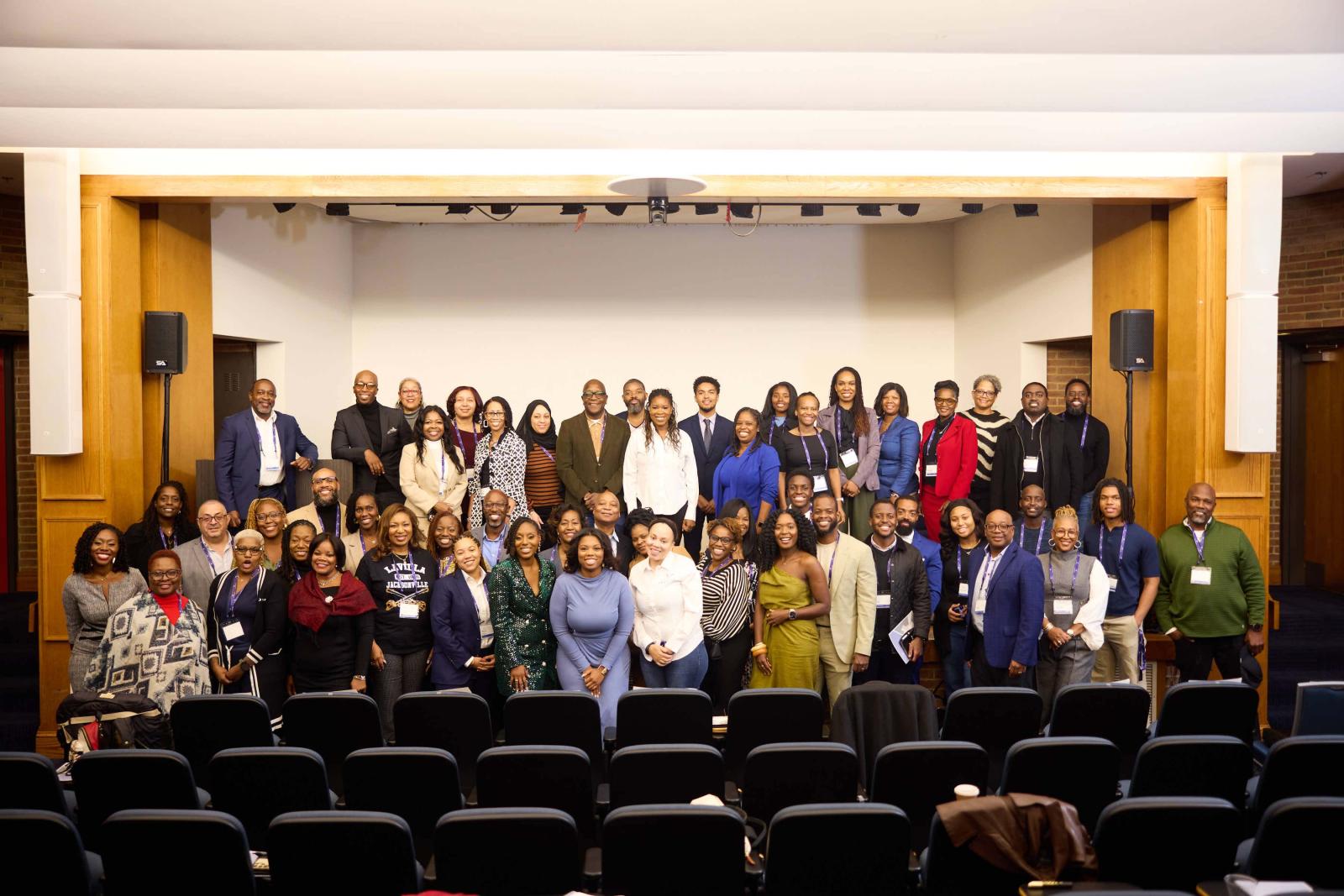
Hunter and several other students participated in VesterrCon in November, an investor gathering hosted in partnership with Howard’s Marriott-Sorenson Center for Hospitality Leadership and Vesterr, a hotel crowdfunding platform created to increase minority participation in commercial real estate.
VesterrCon brought dozens of commercial real estate developers and hotel investors to Howard’s campus for live deal pitches and financing discussions, allowing students to observe how hotel projects were evaluated, proposed, and funded.
“We were actually in the room with people who are investing,” Hunter said. “We’re seeing the deals, meeting them. These experiences are unparalleled.”
Students at the conference listened as developers defended projections and investors pressed for feasibility. This was all by design, said Omari Head, director of the Marriott-Sorenson Center for Hospitality Leadership. VesterrCon, he said, exemplified the early exposure Howard students receive to concepts difficult to teach in a classroom.
WE WERE ACTUALLY IN THE ROOM WITH PEOPLE WHO ARE INVESTING. WE’RE SEEING THE DEALS, MEETING THEM. THESE EXPERIENCES ARE UNPARALLELED.
“It is a shift in pedagogy,” Head said. “Students didn’t just hear about ownership. They observed how capital decisions are made, how underwriting is evaluated, and how risk is defended in front of people who are actually writing checks.”
Davonne Reaves, Vesterr founder and a driving force behind bringing the conference to campus, emphasized the importance of Howard students witnessing real estate deals unfold in real time.
“Access does not mean lowering the bar,” Reaves said. “It means enabling people to participate in an industry with clear guardrails and clear math, instead of standing at the edges of it.”
Hotel investing is not abstract, she emphasized. It’s disciplined, time-bound work.
“We bring students into the room so they can see the actual pressure points of a deal, not a curated version,” she said. “If students walk out understanding why one deal advances and another pauses, then that conference day did its job.”
For Hunter and other business students — including sophomore finance major Nina Mwanga and freshman Richard Lyric — that distinction set the tone of the day. Mwanga said she began the day handing out packets at the registration desk.
Within an hour, she was seated in a live pitch session listening to a Puerto Rico hotel development team present their model line by line. Questions about underwriting, regional feasibility concerns, and capital stack details unfolded at full pace.
“They understood their numbers,” she said. “They could walk through every line. Seeing that in person, in action, was inspiring. It hit home for me. This is something that is possible for me.”
Lyric said he experienced a similar shift. He started the day by greeting attendees and distributing badges, assuming his role would remain at the door.
“I thought it was going to be presentations, like a showcase,” Lyric said. “But it wasn’t that. It was people actually pitching to investors. There were numbers, returns, and actual decisions being made.”
He added, “I saw people that looked like me, in the roles I’m studying for. It was the first time it didn’t feel like a far-off thing.”
Article ID: 2646